Traditional weaving in Bolivia
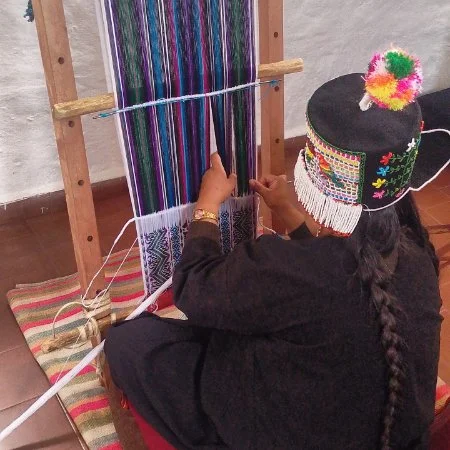
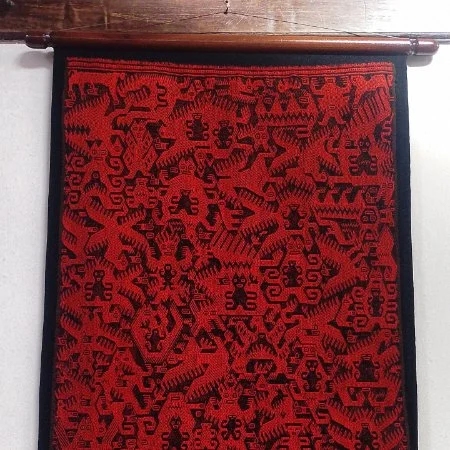
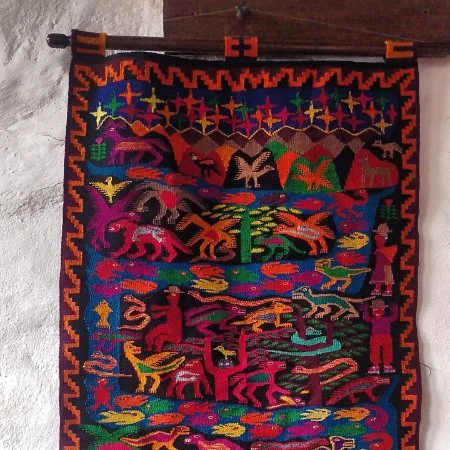
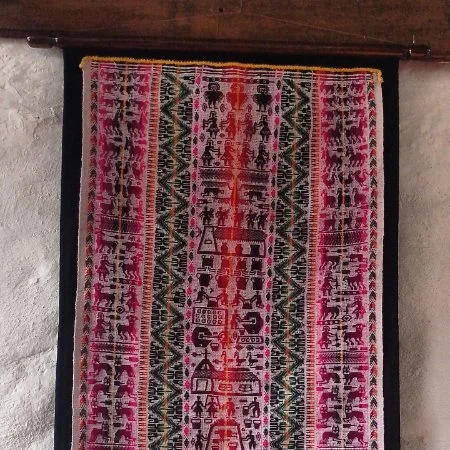
Ten years ago, I took part in a fiber arts exchange with a group of Quechua-speaking women in the remote mountain town of Independencia. There, I learned how Jallq'a and Tarabuco women in communities near Sucre had spent decades re-learning traditional weaving patterns that were in danger of being lost to history.
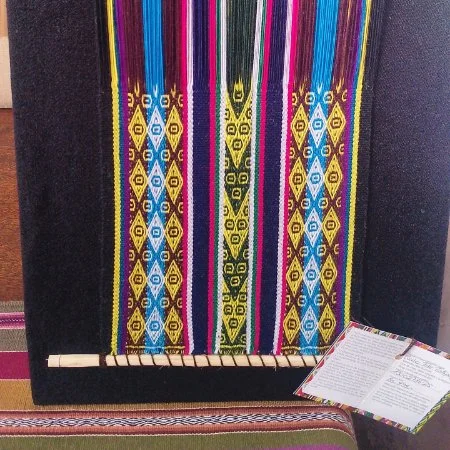
These weaving techniques were phenomenal in their complexity: stark red and black designs of impossible animals with spiralling tails, tessellating into phantasmagoric dreamscapes. Angular geometric designs worked in mesmerising fades along the warp. As women re-learned these techniques and worked with anthropologists to sell the pieces for prices that reflected their true value, they gained economic independence, buying things such as kitchens that their husbands wouldn't spend money on.
This work was on display at the Indigenous Arts Museum in Sucre, I learned, and I had wanted to visit ever since.
Last week, I finally made it there. It captivated me so much that I went twice: once to read the displays, and again to watch two women demonstrate the work, and to simply sit, contemplating the pieces, observing details, and thinking about the sensations they inspired.
There is something trance-like or even spiritual about the pieces. From the colours used and the distance between the creatures to the motifs chosen, they are deeply imbued with meaning and culture. Men also weave, but with different techniques.
Photography isn't allowed in the museum, but they let me take these in the shop. The photos of the women weaving are posted with their explicit permission. I will be thinking about those weavings for a long time.
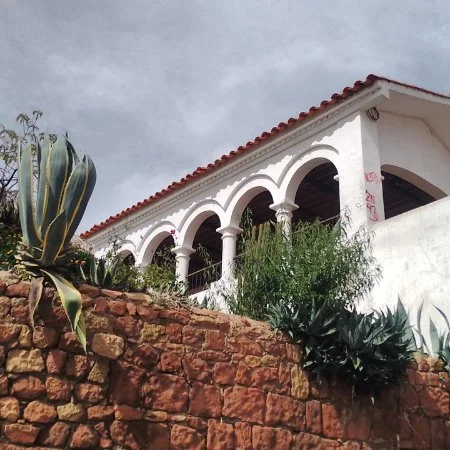
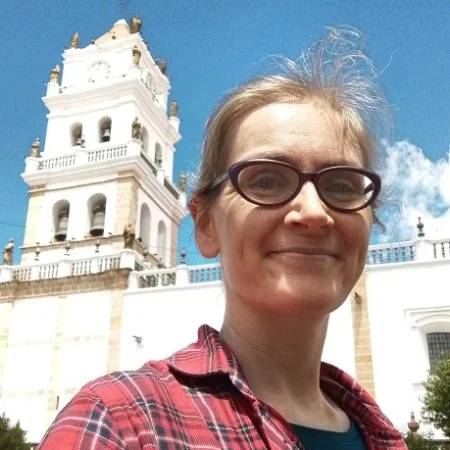
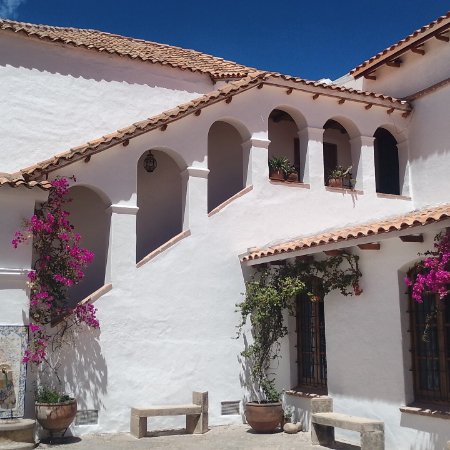
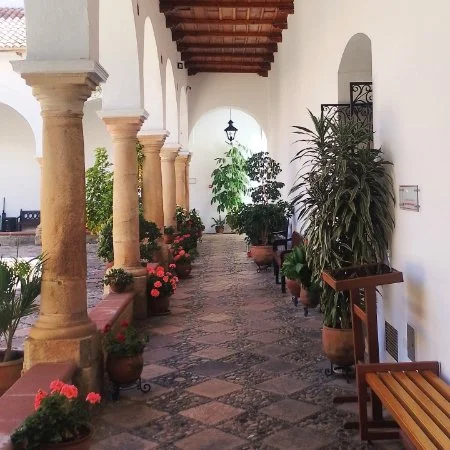
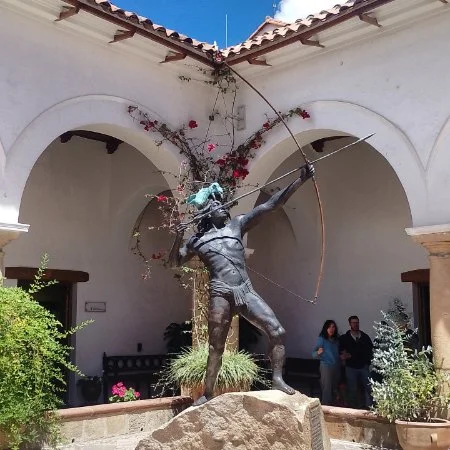
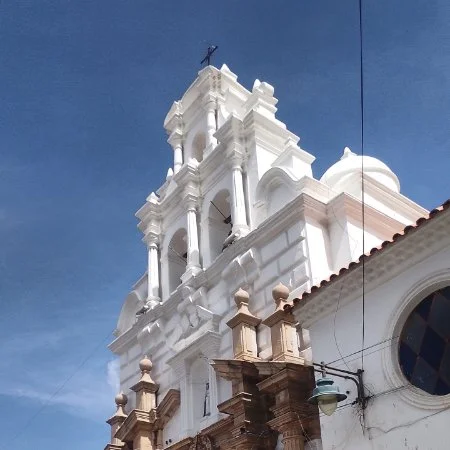
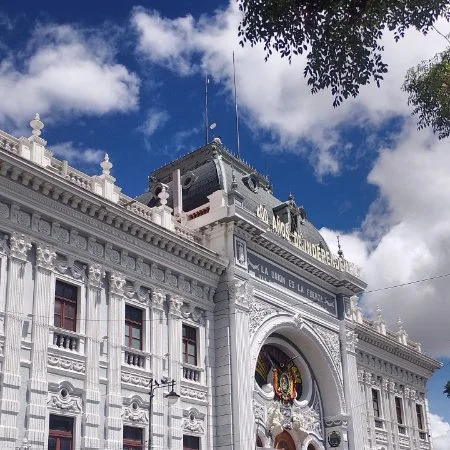
Sucre is a UNESCO world heritage site, and the historic city center is stunning. Many of the photos of the white courtyards are from the Casa de la Libertad, where Bolivia's declaration of independence was signed. This was my first visit, during my farewell trip to Bolivia before moving back to the UK, and I'm so glad I made it in the end.
